Can you use AI images commercially?
By the IsraModel AI team · Published
Most sellers ask this before their first AI product photo goes live. The short answer is yes, with two conditions that matter more than the tool: the image must show the real product honestly, and it must not use anyone else’s rights.
Your first 5 images free · No credit card needed
The short answer
Yes, you can generally use AI-generated images to sell: on your store, on marketplaces, in ads, on social media and in print. The rules that apply are the ones that already applied to edited photos. The image must not mislead the buyer about the product, it must not use someone else’s brand, likeness or work, and it has to meet the rules of the platform where you publish it.
This page is general information, not legal advice. Laws differ by country and change; for a specific case, ask a lawyer where you sell.
The tool is not the issue. What the photo shows is.
Much of the worry comes from half-remembered headlines. Regulators and platforms are not against a tool; they are against deception. You were always allowed to edit a product photo, change the background or fix the light, and never allowed to edit it so the product looks different from what arrives.
The US Federal Trade Commission’s advertising guide for small business says advertising must be truthful and not deceptive, and that the FTC looks at an ad in context, including its pictures, to judge what it tells consumers. In announcing a 2024 crackdown on deceptive AI schemes, the FTC’s chair said there is no AI exemption from the laws on the books. Both checked October 15, 2026.
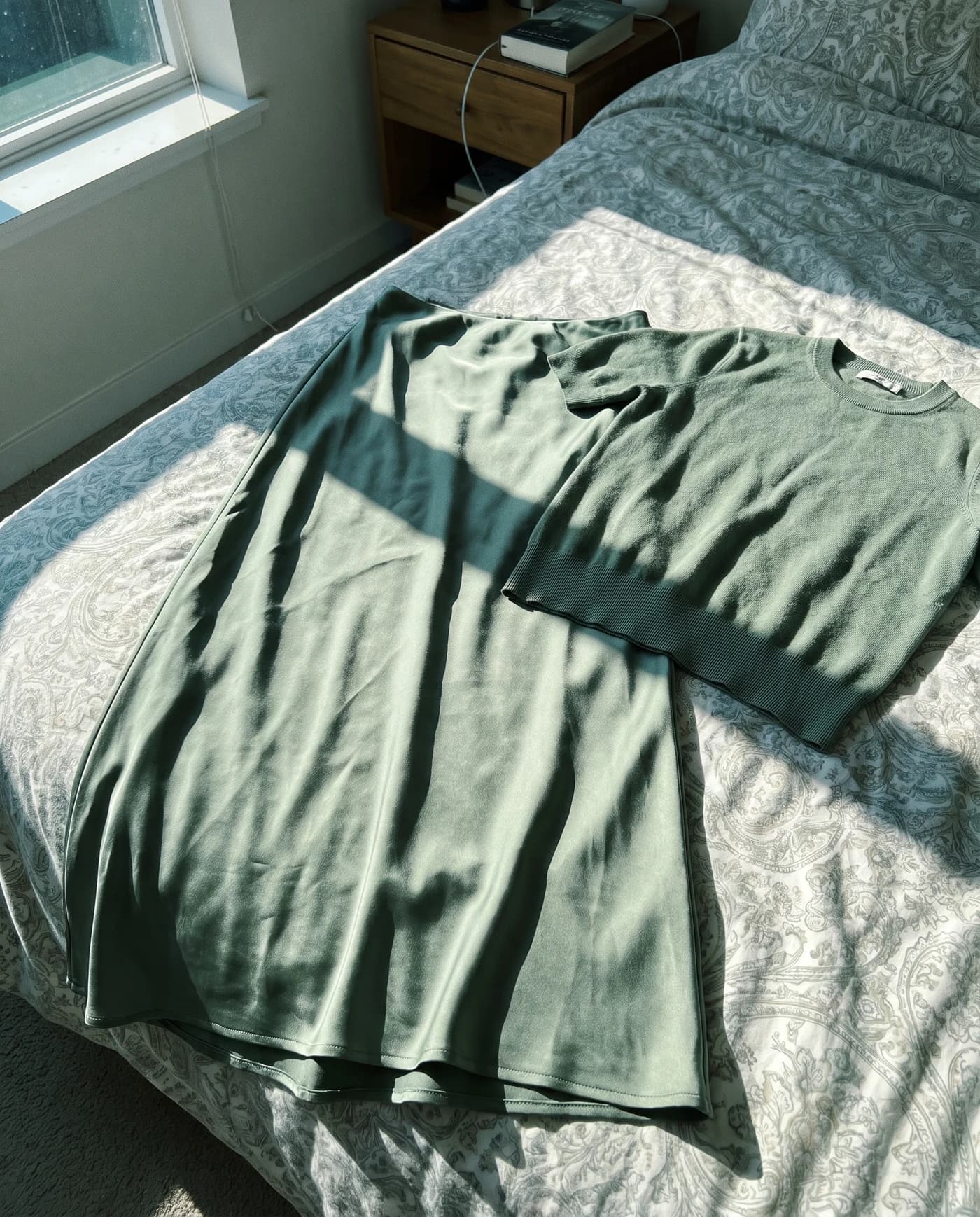
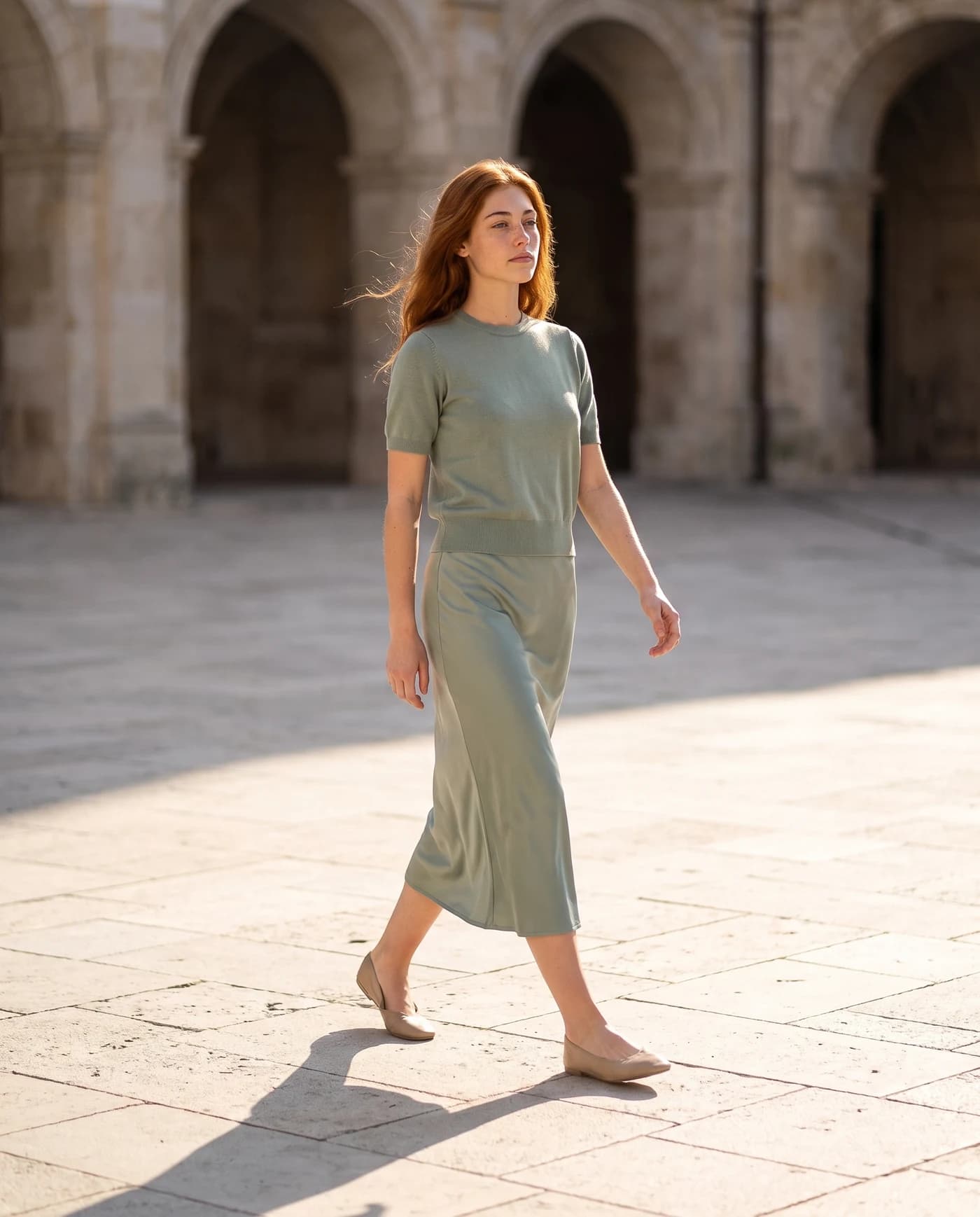
So the simple rule: use AI to present your real product at its best, with a model, a clean background or professional light, but do not change the product itself (color, shape, material, what is in the box).
Who owns an AI image? Less than you might think
Being allowed to use an image is not the same as owning its copyright. The US Copyright Office’s report on the copyrightability of AI outputs (January 2025) concludes that prompts alone do not make an AI output protectable. Protection can cover the parts a human contributes: a human-made work that is visible in the output, or creative arrangements and changes a person makes. Summary in the Copyright Office announcement, checked October 15, 2026. Other countries take their own view.
In practice, for a seller, this means two things. Your product, your logo and your own photos stay yours as before. But you may not be able to stop a competitor from using a similar AI background or pose, because nobody may own it. Our own terms say the same: you may use the images you create, including commercially, without receiving exclusive copyright, and the system can produce outputs similar to other users’.
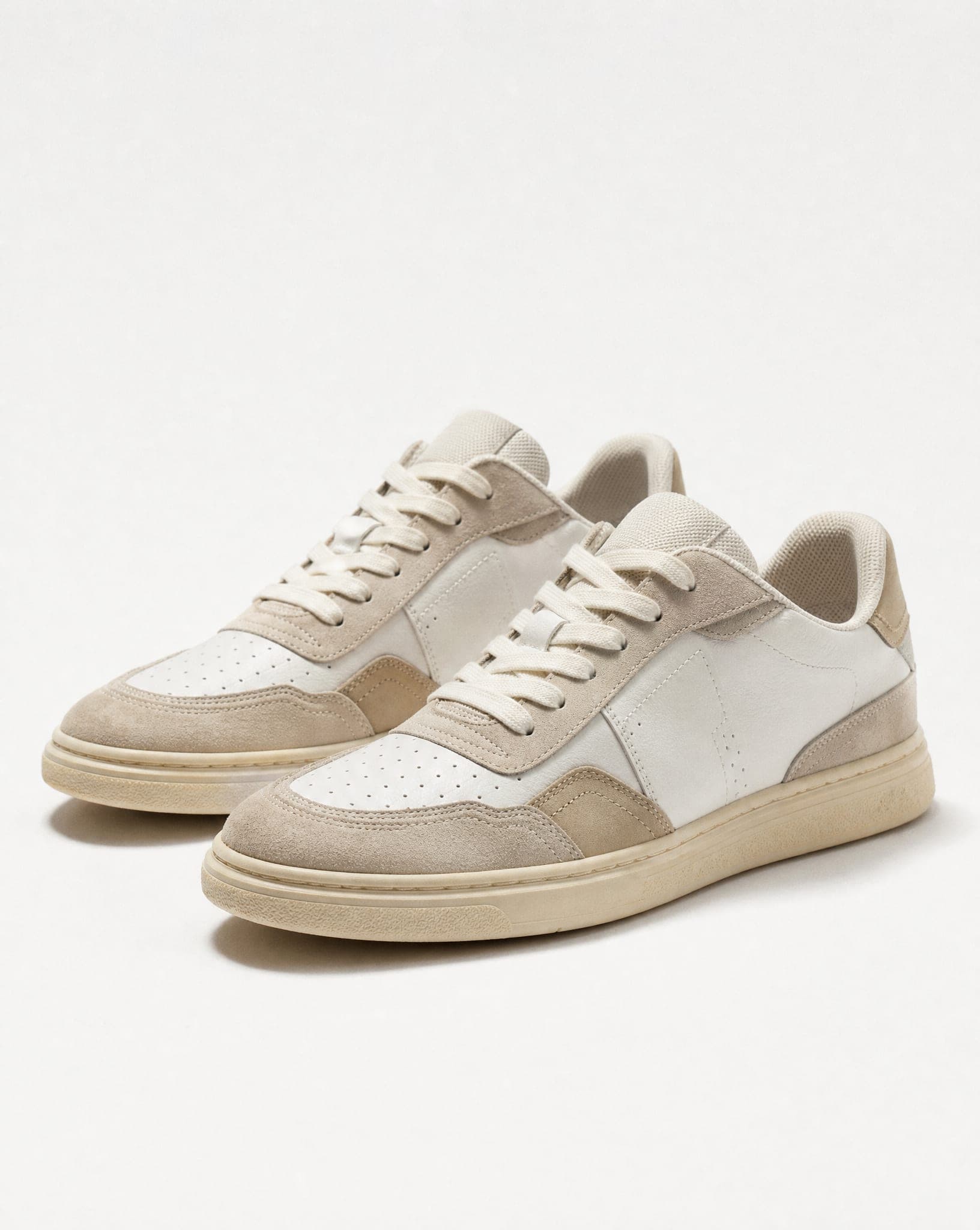
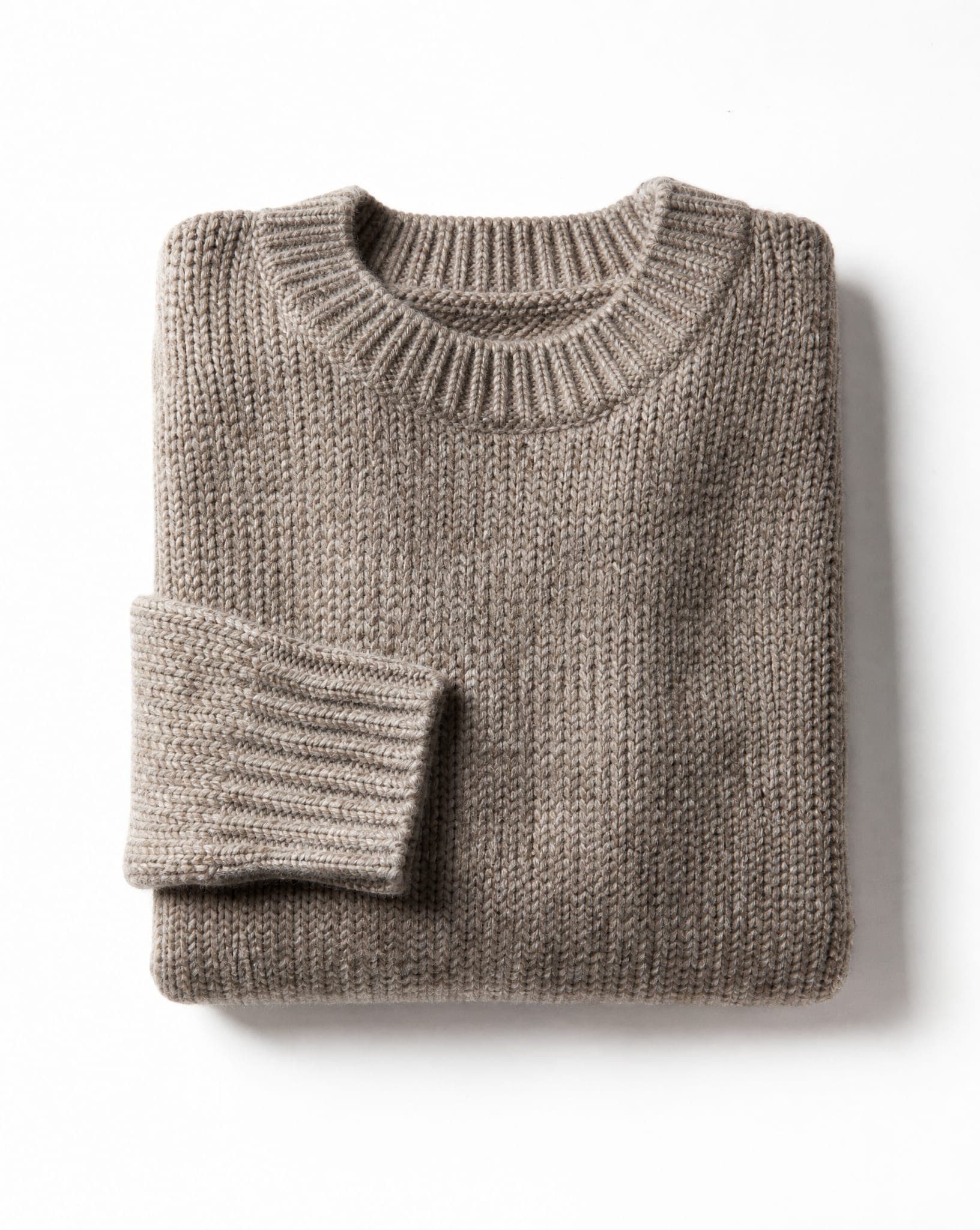
What is fine and what to avoid
Fine, and usually a good idea:
- Showing your product on an AI model or in a styled scene.
- Replacing a messy background with a clean or lifestyle one.
- Better light, shadows and sharpness.
- Several looks for the same product.
Avoid:
- Changing the color, shape or details in a way that misleads the buyer.
- Another company’s logo or brand anywhere in the image.
- A face that looks like a real, recognizable person who has not agreed to it.
- Showing a product, a bundle or accessories you do not actually ship.
- Copying someone else’s photo, artwork or design into the image.
If you upload a photo of a real person (for example your own model, to dress in new outfits), you need that person’s permission to use their likeness commercially. Under our terms, responsibility for any resemblance to a person, brand or existing work, and for third-party rights, rests with the user.
Selling in the EU: the AI Act transparency rule
The EU AI Act (Regulation 2024/1689) requires anyone who uses an AI system to create a “deep fake” to disclose that the content was artificially generated or manipulated. The Act defines a deep fake as AI-generated or manipulated image, audio or video that resembles existing persons, objects, places, entities or events and would falsely appear to a person to be authentic (Articles 3 and 50 of the official text). According to the European Commission, these transparency rules apply from August 2026. Both checked October 15, 2026.
Whether a given product photo falls under that definition is a legal question we cannot answer for you. If you sell into the EU and your images show realistic people or scenes, ask a local lawyer, and when in doubt, a short note such as “images created with AI” on the product page costs little.
Each platform adds its own rules
Marketplaces and ad networks set rules on top of the law, mostly about the main image and about honesty. Read the specific guide before a big upload:
- Does Amazon allow AI product images?
- Does Google penalize AI images? (including Google Merchant Center’s labeling rule)
- Do customers notice AI images?
A 60-second check before you upload an AI image
- Put the real product next to the screen. Same color? Same details? Same accessories as the box? If something in the photo will not be in the parcel, fix it first.
- Scan for third-party elements. No other brand’s logo, no recognizable face, no protected design in the background. A brand you officially sell is fine; a stray one is not.
- Check the platform’s own rules. Main image background, size, labeling.
- Zoom in. Fingers, text on packaging and product edges. One warped detail is what makes a professional image look suspicious.
- Match the rest of the catalog. Same light and background style across products looks trustworthy to customers and platforms alike.
Start from your real product
Images built from a photo of the product you actually ship start on the right side of every rule above. In IsraModel AI you upload a phone photo and get it back on a studio background, in a scene, in a hand or on a model; see AI product photography. A standard image costs 5 credits, and the free plan includes 5 standard images a month.
Questions
Can I use AI-generated images to sell products?
Generally yes. The key requirement of consumer protection law and of the platforms is that the image shows the product the customer will receive, without misleading them about color, size, material or what is included. This is general information, not legal advice.
Do I own the copyright in images I create with AI?
Not necessarily. The US Copyright Office concluded in 2025 that prompts alone do not make an AI output protectable, though human-made parts can be. Our terms let you use the images commercially but do not give you exclusive copyright.
Do I have to label product images as AI-generated?
It depends on where you sell. Google Merchant Center requires a metadata tag on AI-generated images, and the EU AI Act requires disclosure for deep fakes from August 2026. Check the rules of each platform and country you sell in.
What should I never do with AI product images?
Show the product differently from what ships, use another brand’s logo, use a recognizable person without permission, show items you do not have, or copy someone else’s work into the image.
Can I print AI images on catalogs, packaging and signs?
Our terms allow commercial use of the images you create, in print as well as online. The same rules apply in print: show the product honestly and leave out other people’s rights.
Create product images from your real product
Sign up free and get your first 5 images on us. No credit card needed.
Start free